Enjoy horse feed
Timothy grass (Phleum pratense) is a species of grass that is native to Europe, Asia, and northern Africa. It is a cool-season grass, meaning it grows best in temperate regions with cool summers and cold winters.
Timothy grass is commonly used as a forage grass for livestock, especially horses and cattle. It is known for its high nutritional value and palatability, making it a popular choice for hay production.
In terms of growth and appearance, timothy grass has a more upright growth habit and coarser leaf texture compared to Kentucky bluegrass. The leaves are usually a light green color, and the seed heads form in a cylindrical shape.
Timothy grass prefers well-drained soils with a neutral to slightly acidic pH and moderate to high fertility levels. It is also relatively drought-tolerant, making it a good choice for regions with low rainfall.
Growing Regions
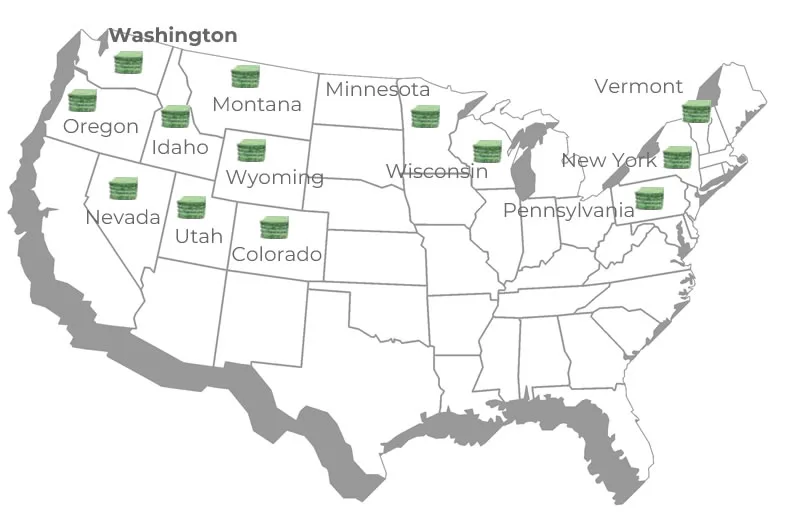
Timothy hay is grown in several regions across the United States. The primary production areas include the Pacific Northwest (Washington, Oregon, Idaho), Intermountain West (Utah, Nevada, Wyoming), Northeast (New York, Vermont, Pennsylvania), Upper Midwest (Minnesota, Wisconsin), and Mountain West (Colorado, Montana). These regions offer a combination of suitable climates, fertile soils, and proper irrigation for successful Timothy hay cultivation.
status: in stock
Rebranding for a healthy horse
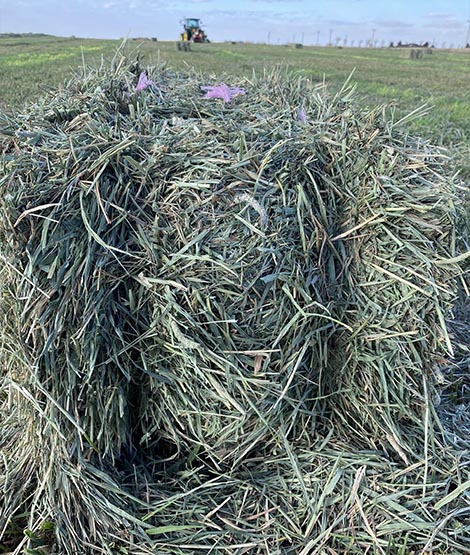
Timothy hay is a very popular source for roughage and fiber, with a relatively low protein and high fiber content. Timothy is considered a grass hay and can be fed regularly to satisfy appetite without excess calories and protein. It has very little stem and is wide, leafy, soft and pliable. Protein levels on Timothy are typically in the 6-7.0% range, low fat and 30.0%+ fiber.
status: in stock
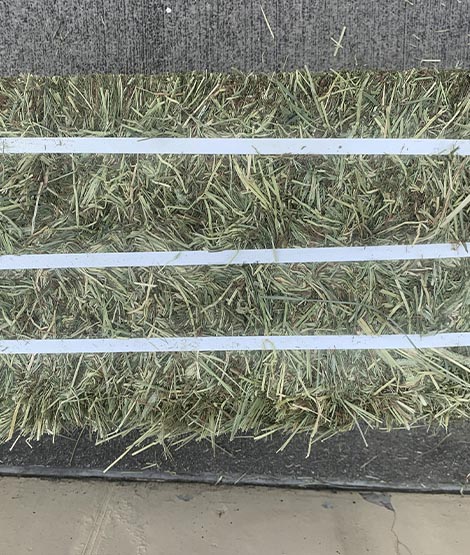
Timothy is available in various grades, depending on the year. This forage is grown in meticulously managed stands under pivot irrigation in Alberta, Canada. The bale weight ranges between 50-55lbs and they’re packaged neatly into 21 bale bundles. A traditional 53′ van / intermodal container contains 777 bales.